
Insurance Repairs in Plano, TX
Water damage, storm damage, and fire damage repairs in Plano, TX. HAWC General Contracting works alongside your insurance adjuster for full restoration. Free estimates.
Dealing with insurance after property damage is stressful enough. The last thing you need is a contractor who makes it harder. HAWC works with your adjuster and handles the restoration correctly.
Insurance repairs are a contractor test. The homeowner is already dealing with damage, stress, and paperwork. The last thing they need is a contractor who shows up late, disappears mid-project, and leaves them arguing with their adjuster over scope. HAWC General Contracting handles water damage, storm damage, and fire damage repairs in Plano and across Collin County with the same reliability we bring to planned renovations — same-day response for active situations, detailed documentation, and a single point of contact from claim to completion.
Types of Insurance Repairs We Handle
- Water damage: The most common insurance claim in North Texas. Burst pipes (especially during February freezes), appliance failures, slow slab leaks, HVAC condensate overflow, and roof leaks all create interior water damage that affects drywall, insulation, flooring, cabinets, and framing. We handle the full scope — structural drying coordination, demo of damaged materials, and complete rebuild.
- Storm damage: DFW hail seasons are real. Hail and high winds damage roofing, gutters, siding, windows, and sometimes interior finishes when the building envelope is breached. We handle the interior repairs and exterior work that falls within our scope, and coordinate with roofing specialists when needed.
- Fire and smoke damage: Fire repairs range from localized burns (kitchen fires, electrical events) to full-room rebuilds. We handle structural repair, drywall, insulation, and finish work. Smoke and soot damage — which can extend far beyond the fire area — is also part of our scope through proper cleaning, sealing, and painting with appropriate primers.
- Mold remediation and rebuild: Mold following a covered water event requires both remediation (removing affected materials and treating the source) and rebuild (replacing what was removed). We coordinate the full process, including third-party testing when your adjuster requires it.
- Vandalism and unexpected events: Break-ins, vehicle impacts, and similar events that damage finishes, framing, or the building envelope.
Working With Your Insurance Adjuster
The documentation step is where most insurance repairs either go smoothly or go sideways. Adjusters are looking for specific information: date of loss, affected areas, itemized scope of repair, and replacement cost estimates. We provide detailed, line-item estimates in a format adjusters recognize — because we've done this enough times to know exactly what they need.
We communicate directly with your insurance team throughout the process. You shouldn't be playing intermediary between your contractor and your adjuster, fielding questions from both sides. We handle that communication, flag when we find additional damage during demo that needs to be added to the claim, and document everything with photos before and after remediation.
When the adjuster's initial scope misses something we can clearly document — additional water penetration behind walls, subfloor damage that wasn't visible until demo — we know how to supplement the claim with proper documentation. We don't inflate claims. We document what we find accurately and advocate for restoration to pre-loss condition, which is what your policy is supposed to cover.
Response Time Matters for Water Damage
Water damage repairs have a timeline that most other repair types don't: the longer saturated materials stay wet, the more damage accumulates and the higher the probability of mold. Structural drying (commercial dehumidifiers and air movers operating continuously) needs to start within 24–48 hours of the water event for materials to be salvageable. We respond same-day for active water situations.
The documentation done in the first 24 hours — photos of standing water, moisture readings in affected walls and floors, documentation of what materials were saturated — is critical for the insurance claim. We start with documentation even before demolition begins, because the adjuster needs to see what the damage looked like at its worst, not after demo has already cleaned up the evidence.
The Rebuild Phase
Once damaged materials are removed and the structure is dry, the rebuild phase looks like a standard renovation — but with the additional constraint of matching existing finishes as closely as possible. This is a discipline in itself. Matching paint sheen and color on adjacent walls when only one wall was replaced. Matching existing tile patterns when a water-damaged section of floor is replaced. Matching trim profiles in a 1998 Plano home that used a profile that's no longer standard.
We take matching seriously because pre-loss condition means the repair shouldn't be visible. Homeowners who've been through insurance repairs that left obvious patches and mismatched tile know exactly what we mean. When the job is done right, you shouldn't be able to tell where the damage was.
What to Do When Damage Occurs
For active water damage: shut off the water source if possible, remove standing water with towels or a wet vac, move furniture and valuables out of the affected area, and call us. Don't wait to call your insurance company first — get the mitigation started. Your policy typically requires reasonable steps to prevent further damage, and that starts immediately.
For storm damage: document the exterior and interior damage with photos before doing any cleanup. If there's a roof breach, cover with a tarp if it can be done safely. Then call us and your insurance company.
We're available same-day for active situations. Plano's geography means we can typically be on-site within 2–3 hours of your call during business hours and the same day for urgent situations outside normal hours.
Choosing the Right Contractor for Insurance Work
The contractor you choose for insurance work matters more than on a typical renovation. Insurance repairs have specific documentation requirements, timeline constraints from the policy, and the complexity of working within a claim scope that may or may not cover everything the repair actually requires. You want a contractor who has done this before, who communicates clearly with adjusters, and who won't add unexpected charges to a job that's already financially complicated.
We've handled insurance repairs across Plano, Allen, Frisco, McKinney, and the surrounding area. We know Collin County's housing stock — the typical construction methods, the materials used in homes from different eras, and the common failure points that insurance claims tend to involve here. That experience is the difference between a smooth restoration and a drawn-out process that leaves a repaired home that doesn't match what was there before.
Frequently Asked Questions
Do you work directly with insurance companies?
Yes. We provide detailed, line-item estimates and photo documentation in formats adjusters recognize, communicate directly with your insurance team, and handle supplement documentation when demo reveals additional damage not in the original scope.
How quickly can you respond to active water or storm damage?
Same-day response for active situations — typically 2–3 hours during business hours. Early response is critical for water damage: materials that stay wet beyond 48 hours significantly increase the risk of mold and structural damage.
What if the insurance scope doesn't cover everything that needs to be repaired?
We document additional damage during demo with photos and measurements and submit a supplement to the adjuster with proper justification. We don't start work beyond the approved scope without your agreement on how the additional cost is handled.
Can you handle both the structural repairs and the finish work, or do I need separate contractors?
We handle the complete restoration under one contract — structural drying coordination, demo, framing, drywall, flooring, tile, painting, and trim. One point of accountability, one schedule, one contact.
Why Homeowners Choose HAWC
Every contractor says they're the best. Here's the specific difference.
Ready to experience the HAWC difference?
Other Services in Plano
Full-service general contracting — one contractor for every project.

Bathroom Remodeling
Professional bathroom remodeling services in Plano, TX.
Learn more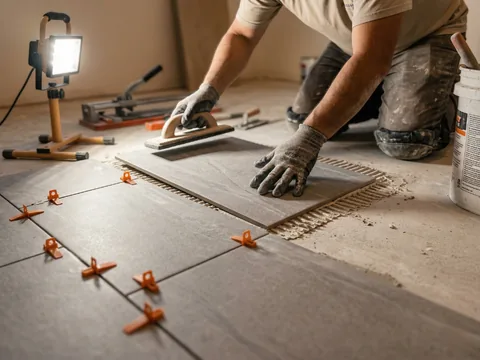
Tile Installation
Professional tile installation services in Plano, TX.
Learn more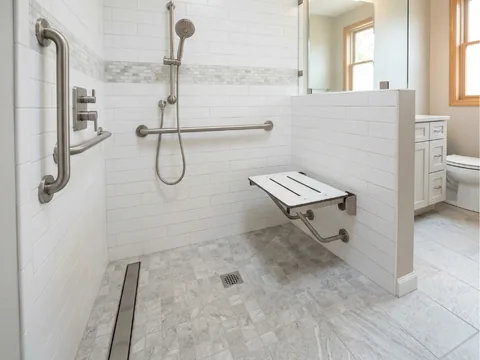
Accessibility Modifications
Professional accessibility modifications services in Plano, TX.
Learn more
Heated Bathroom Floors
Professional heated bathroom floors services in Plano, TX.
Learn more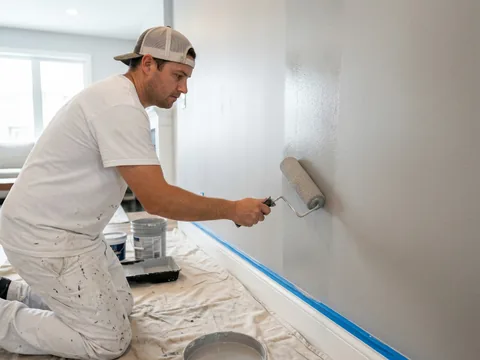
Painting Services
Professional painting services in Plano, TX.
Learn more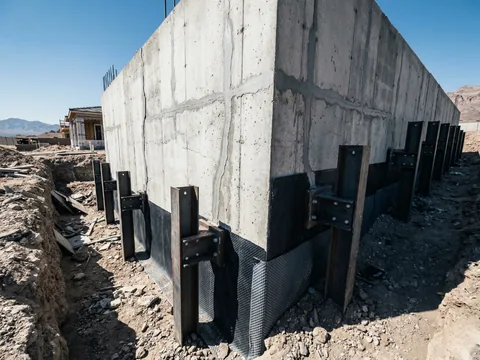
Foundation Repair
Professional foundation repair services in Plano, TX.
Learn moreHow It Works — Start to Finish
No surprises. No handoffs. One accountable team from day one.
Free Design Review
In-home visit, real assessment, written pricing. No vague ballparks that double once demo starts.
Material Selection
Tile, fixtures, vanity, finishes — every choice locked in before demo. You know exactly what you're getting.
Professional Build
Our crew handles every phase — demo, waterproofing, tile, plumbing, finish work. One team, start to finish.
Final Walkthrough
You review the completed work with us. If anything isn't right, we fix it before we leave.
Free Design Review
In-home visit, real assessment, written pricing. No vague ballparks that double once demo starts.
Material Selection
Tile, fixtures, vanity, finishes — every choice locked in before demo. You know exactly what you're getting.
Professional Build
Our crew handles every phase — demo, waterproofing, tile, plumbing, finish work. One team, start to finish.
Final Walkthrough
You review the completed work with us. If anything isn't right, we fix it before we leave.
Ready to Get Started?
HAWC General Contracting serves Plano and surrounding North Texas communities. Call (469) 975-5203 — same-day response, honest pricing, no obligation.